

FIBC Bag Types Explained.
Type A, B, C, and D bags are classified by their electrostatic properties under IEC 61340-4-4 — choosing the wrong type around flammable materials can be dangerous. Here's how to tell them apart.
FIBC bags are classified into four types based on how they manage static electricity generated during filling, transport, and discharge. The right classification depends on the flammability of your product and the environment it's handled in — not on load capacity or construction style.
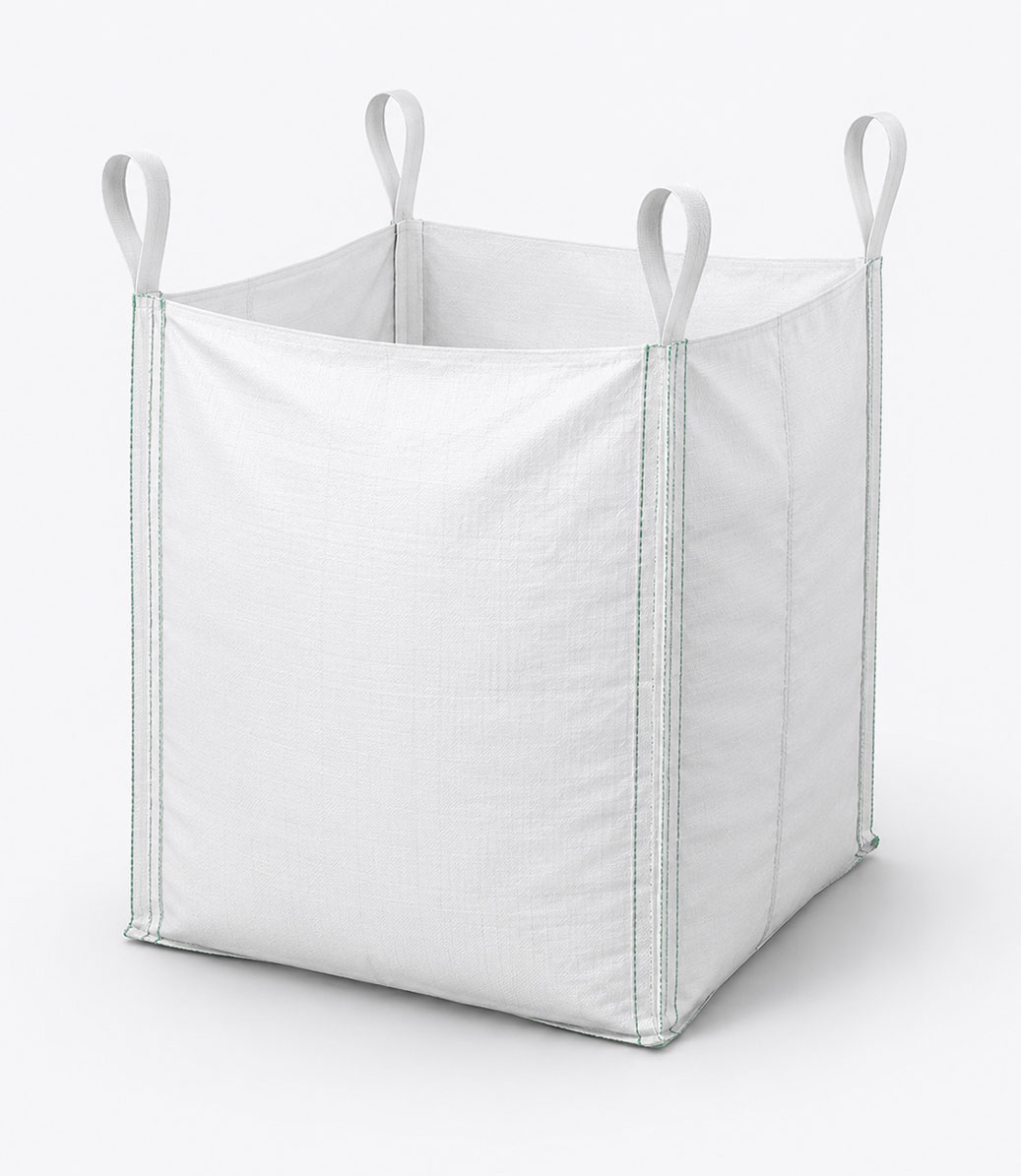
Type A — Standard
Made from standard woven polypropylene with no static-dissipative properties. Type A offers no specific protection against static discharge and should never be used to handle flammable powders, solvents, or in the presence of flammable gas or dust atmospheres.
- Best for: Non-flammable, non-combustible dry bulk goods
- Common uses: Sand, aggregates, general minerals, construction materials
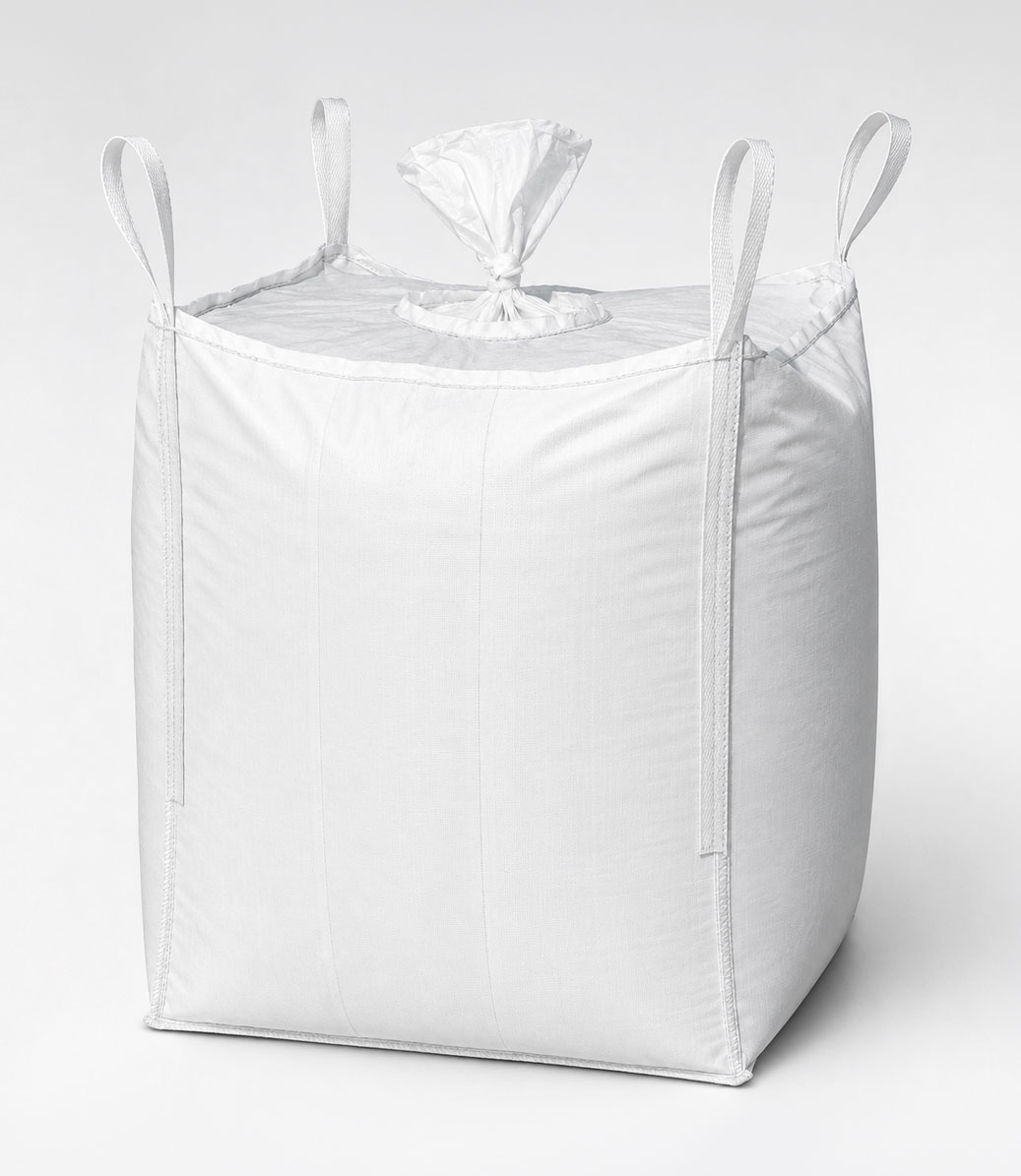
Type B — Low Breakdown Voltage
Fabric engineered with a breakdown voltage below 6kV to prevent propagating brush discharges — the most energetic form of static spark. Type B bags carry no conductive threads and are not grounded, so they should not be used where flammable gases or solvent vapours are present.
- Best for: Combustible dusts without flammable gas or vapour present
- Common uses: Certain pharmaceutical powders, organic dusts
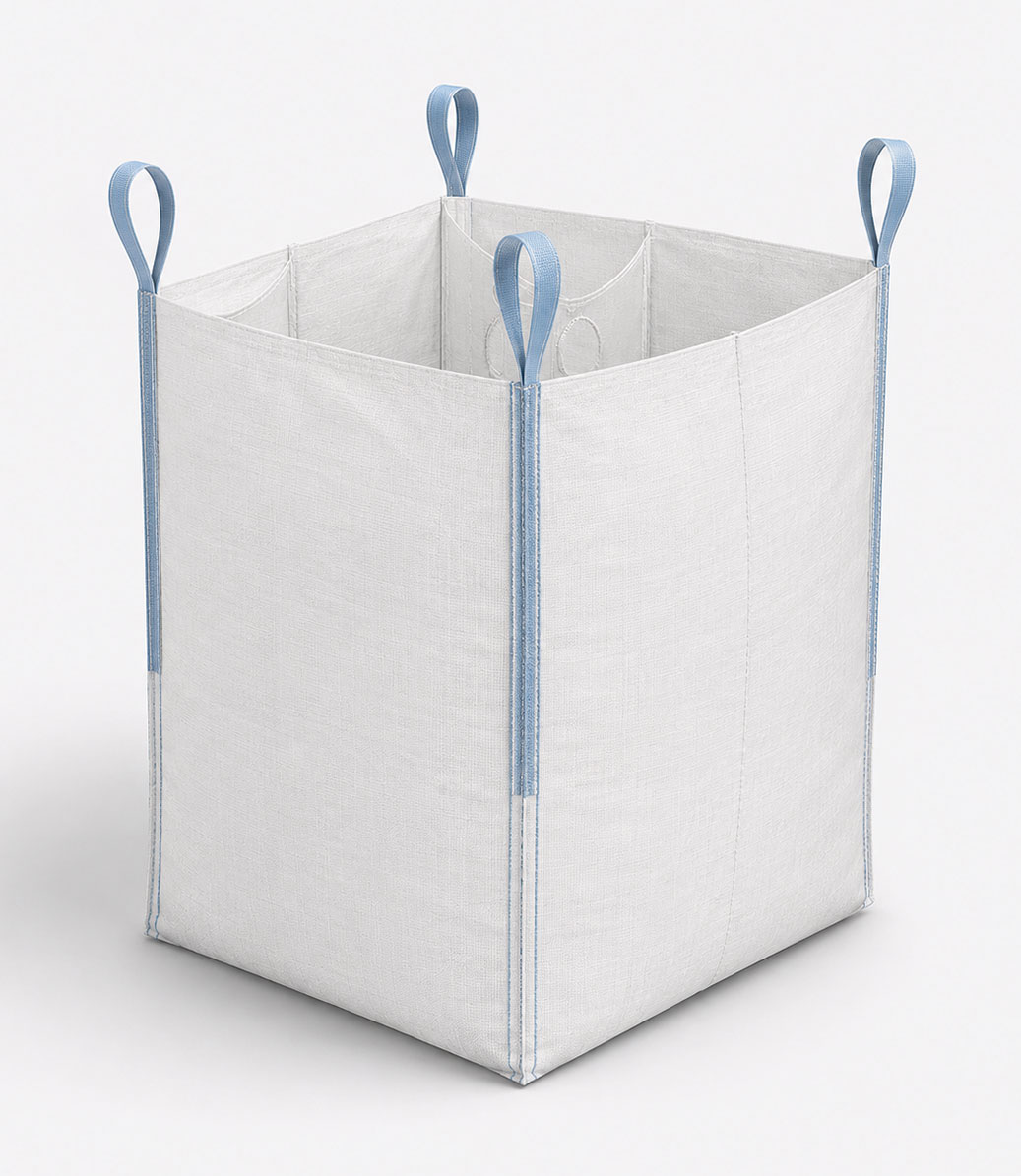
Type C — Conductive
Woven with interconnected conductive threads forming a grid across the fabric. When the bag is correctly grounded during filling and discharge, static charge is safely conducted away to earth. Grounding is mandatory — an ungrounded Type C bag offers no more protection than Type A.
- Best for: Flammable solvents and combustible dust in flammable atmospheres
- Common uses: Fine chemical powders, pharmaceutical intermediates, explosive precursors
Type D — Dissipative
Uses static-dissipative threads or coatings woven through the fabric to safely dissipate charge via corona discharge, without requiring the bag to be grounded. Type D is increasingly preferred over Type C because it removes the risk of human error around grounding compliance.
- Best for: Flammable solvents and dusts where grounding cannot be guaranteed
- Common uses: Chemical and agrochemical powders, mobile/field filling operations